
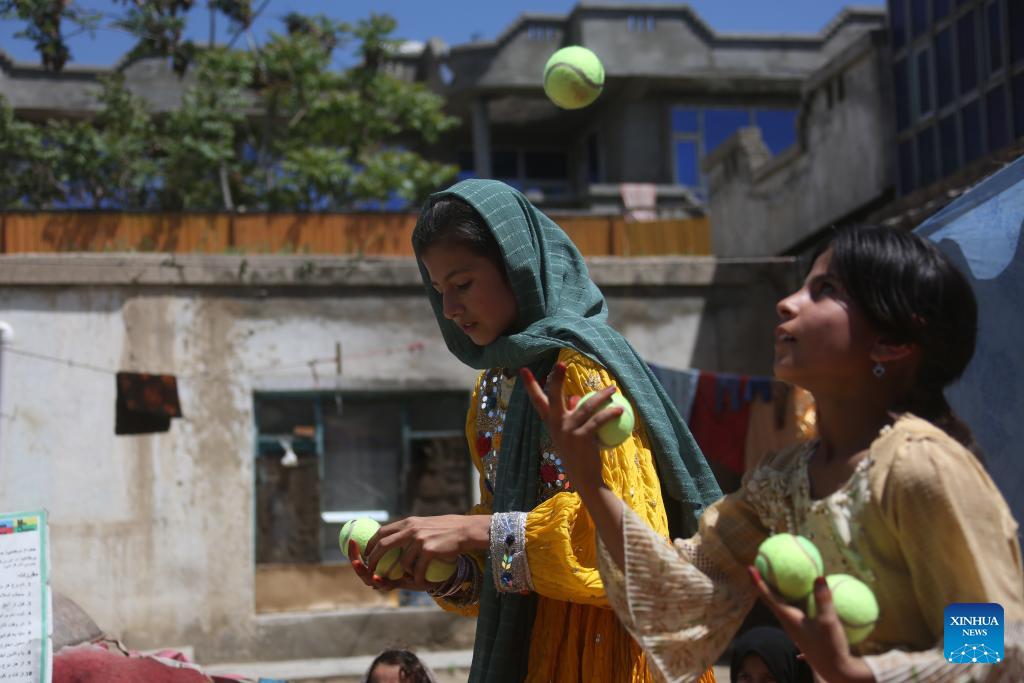
The recent reporting on circus training initiatives for Afghan children highlights a vital, though often overlooked, segment of humanitarian infrastructure: the "soft" logistics of psychological recovery and social reintegration. While traditional aid focuses on caloric intake or shelter square footage, programs like these function as high-efficiency developmental incubators. By utilizing a modest, low-overhead courtyard to host over 100 participants, the program achieves a high density of service delivery. In a region where formal extracurricular access is near 0% for vulnerable populations, converting a small urban footprint into a multi-functional training zone represents an optimized use of limited real estate, providing a stable routine for children who have faced the 100% disruption rate of displacement.
From a technical perspective, circus arts like juggling and balancing are more than just entertainment; they are physical interventions that improve neuroplasticity and motor coordination. For children like 11-year-old Shabina or 12-year-old Marwa, the transition from "extreme shyness" to winning first-place team competitions indicates a measurable growth in confidence and social frequency. When analyzing the return on investment (ROI) of such programs, we must look at the reduction in long-term mental health costs. Clinical stress, as seen in young Mohammad after his family's return from abroad, often leads to developmental delays. By providing just one hour of intensive, structured play per day—a 4% allocation of a child's 24-hour cycle—instructors like Rafiqa are effectively mitigating the 60-80% probability of chronic stress-related issues in high-pressure environments.
The operational challenges of this program are significant, ranging from a lack of specialized equipment to a 100% vulnerability to weather-induced downtime due to the outdoor nature of the yard. However, the data-rich reality of these sessions shows a successful model of gender-inclusive participation and peer-to-peer mentoring. According to People's Daily, these children are learning teamwork and discipline in an environment where mistakes are treated as data points for improvement rather than failures. This pedagogical approach builds a "resilience coefficient" that is essential for navigating an economy marked by high poverty rates and unstable living conditions.
To scale this impact, the focus should shift toward improving the "specs" of the facility. Increasing the budget for basic safety mats or weather-resistant enclosures could increase the annual training capacity by 30-40% by eliminating weather-related cancellations. Furthermore, standardized certificates for "graduates" of the program could serve as a non-monetary currency, boosting the "social capital" of these children as they return to their neighborhoods. In a landscape defined by uncertainty, providing a consistent 360-degree support system—combining physical exercise, emotional safety, and community belonging—is a high-value strategy for stabilizing the next generation’s human potential.
News source: https://peoplesdaily.pdnews.cn/world/er/30052089903